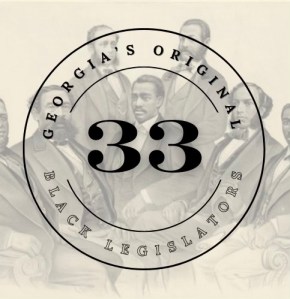
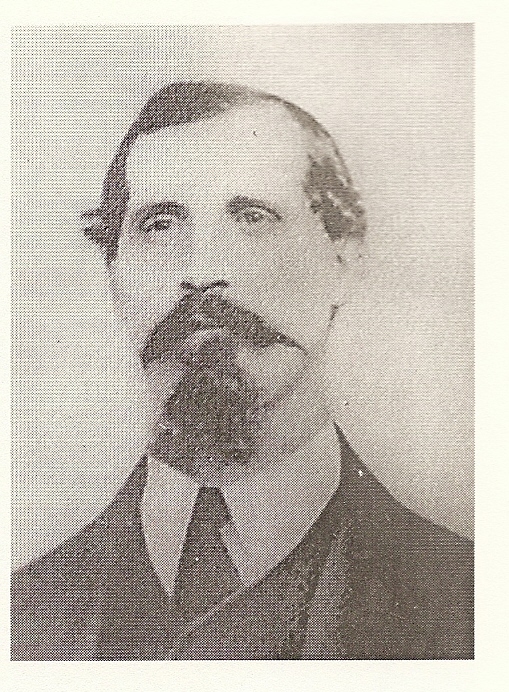
Madison “Mat” Davis was born into slavery on September 27, 1833, in Athens, Georgia. His enslaver was a local carriage maker. The 1900 census records his father’s birthplace as Ireland; his father, also named Madison Davis, and his mother, Mary Fullwood, both died in 1874. Davis gained his freedom after the Civil War at approximately age 33. In 1866, Davis became Captain of Relief No. 2, Clarke County’s first Black fire company. That same year, he attended the Georgia Black Convention of October 1866 and became a leading political organizer in the years that followed. Freedmen’s Bureau records place him in Macon in May 1867, where he served as a delegate, documenting his active role in Reconstruction organizing more than a year before his election to the General Assembly. He also attended the Georgia labor convention of 1869.
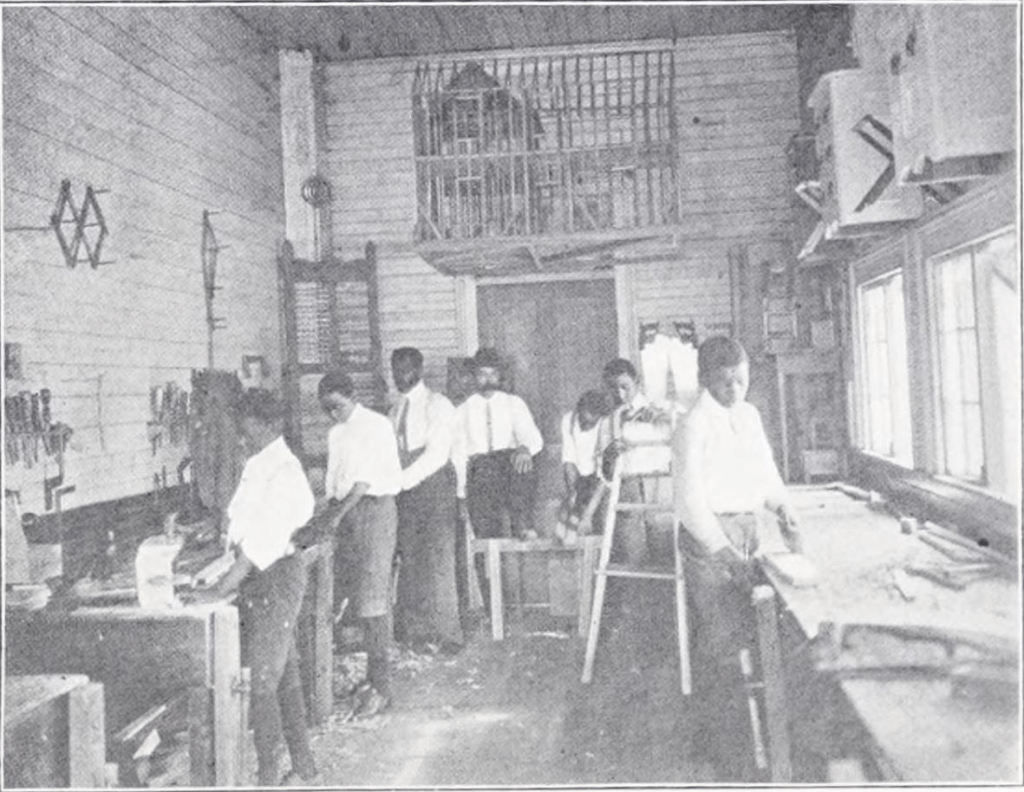
Davis was also part of the land purchase for the Knox Institute and Industrial School, a private elementary and secondary school for Black Georgians in Athens from 1868 to 1928.
On Election Day in 1868, Davis and Alfred Richardson became the first Black men elected to the Georgia General Assembly from Clarke County, each winning the majority of votes in Athens. As historian and politician Michael Thurmond described the scene, “White Athenians were shocked and dismayed. Black Athenians were overwhelmed with joy.” The two men took different approaches to their legislative work. As local historian Matt Pulver noted in an NPR report by Emma Auer (June 30, 2026), Davis adopted a more cautious political style, seen as “more willing to play ball with the whites,” in contrast to Richardson’s outspoken approach.
Davis was expelled from the legislature alongside the other Original 33 Black state lawmakers in 1868, then reinstated in 1870 following federal intervention. He won back his seat and continued his legislative service, introducing several bills including one to build a new Georgia Railroad line through the city of Athens. Davis and his fellow legislators supported public schools for all children in Georgia, Black or white; advocated for the enfranchisement of white men who did not own property; and played a role in legislation seeking to enfranchise women. By 1870, census records show Davis had accumulated $700 in real estate and $100 in personal property. On January 31, 1870, while serving as a legislator, he opened an account at the Freedman’s Bank in Atlanta, listing his occupation as “Member of House Legislative.” Davis did not run for reelection in 1872, instead pursuing a career in real estate. By 1880, census records list his occupation as Merchant.
Davis remained active in the Republican Party throughout his life. By 1880, his son William H. Davis was working as a mail agent in Athens. Two years later, on February 13, 1882, Madison Davis was appointed Postmaster of Athens, becoming the first African American to hold that position in the city. He served until February 15, 1886, when he was succeeded by Wiley B. Burnett. According to the 1885 U.S. Register of Civil, Military, and Naval Service, he earned an annual compensation of $1,900 in that role.
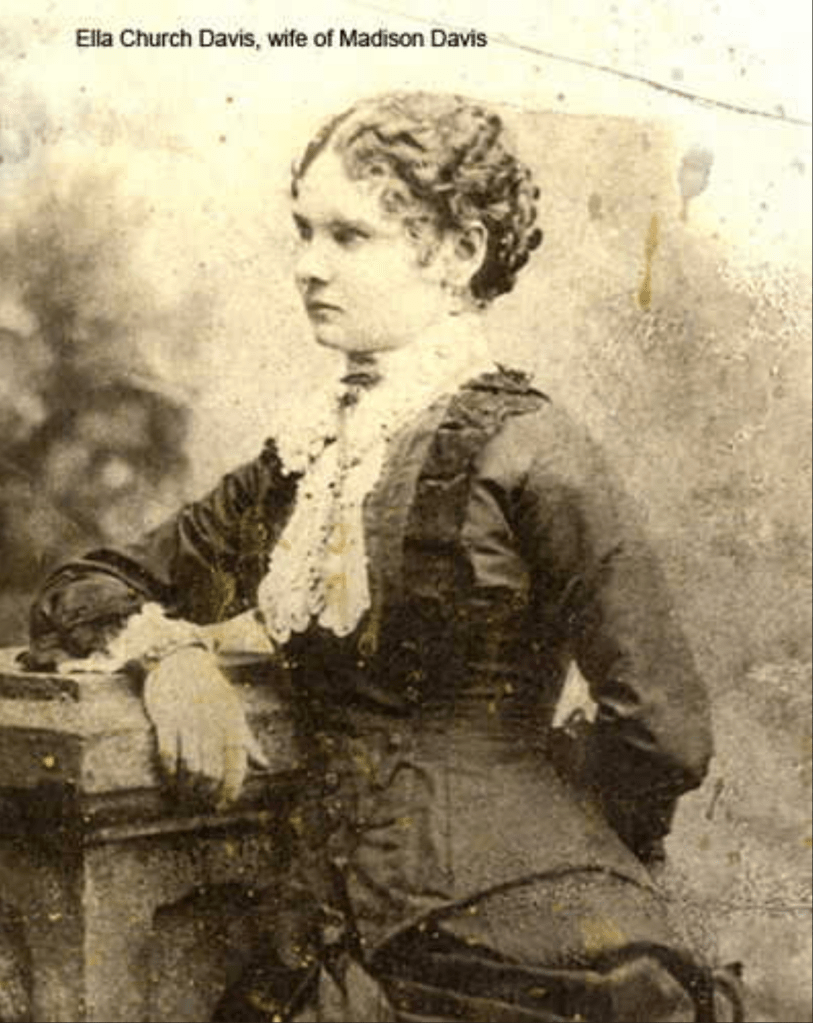
Davis continued to live in Athens with his wife Ella M. Church Davis (1840–1925) and their children on Newton Street. The 1900 census recorded them as having been married 44 years. Madison Davis died on August 20, 1902, at the age of 68. Like Alfred Richardson, he died without a will; his son James Perry Davis was appointed administrator of his estate on July 6, 1903. Davis is buried in Gospel Pilgrim Cemetery in Athens.
Historian Michael Thurmond, who in 1986 became the first Black lawmaker to represent the Athens area since Reconstruction, has said he took inspiration from both Davis and Richardson. Local activists are currently working to name Athens’ newest park after Davis and Richardson.
REFERENCES:
“27 September 1833: Legislator Madison Davis Is Born.” This Day In Athens. Athens-Clarke County Library Heritage Room. September 27, 2010. http://accheritage.blogspot.com/2010/09/27-september-1833-legislator-madison.html?m=1
https://www.findagrave.com/memorial/103060294/madison-davis
https://en.wikipedia.org/wiki/Madison_Davis
Hester, Albert Lee (2010). Enduring Legacy: Clarke County Georgia’s Ex-Slave Legislators Madison Davis and Alfred Richardson. Athens, GA: Green Berry Press.
1870 United States Federal Census, Athens, Clarke County, Georgia
1880 United States Federal Census, Athens, Clarke County, Georgia
1900 United States Federal Census, Athens, Clarke County, Georgia
U.S., Freedman’s Bank Records, 1865–1874, Account No. 85, Madison Davis
U.S., Freedmen’s Bureau Records, 1865–1878
U.S., Appointments of U.S. Postmasters, 1832–1971, Athens, Clarke County, Georgia, February 13, 1882, https://www.ancestry.com/imageviewer/collections/1932/images/30439_065407-00446?pId=1634950
U.S., Register of Civil, Military, and Naval Service, 1863–1959, 1885
Georgia, U.S., Wills and Probate Records, 1742–1992, Clarke County, July 6, 1903
Emma Auer, “America’s first Black legislators and the work to revive their legacies,” NPR/WUGA, June 30, 2026, https://www.npr.org/2026/06/30/nx-s1-5702833/americas-first-black-legislators-and-the-work-to-revive-their-legacies

